
Why Silica Gel Changes Color: Orange to Green & Blue to Pink
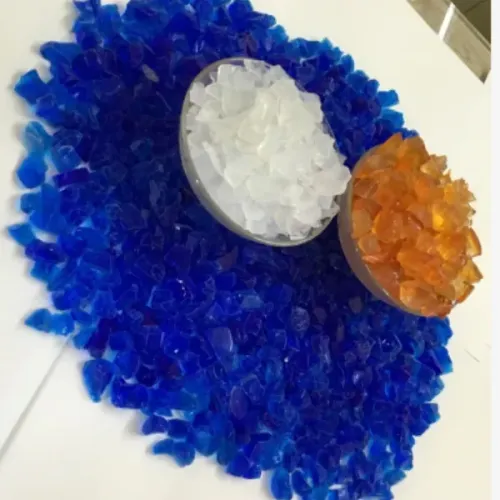
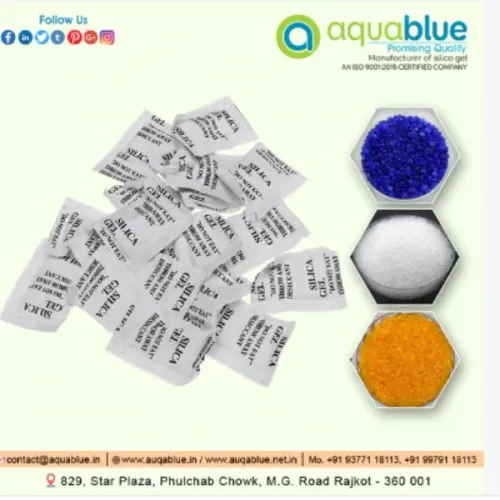
You’ve probably seen them—small orange or blue beads tucked into packages, boxes, or containers. They’re silica gel, and their job is simple but important: absorb moisture so your stuff stays dry and safe.
What makes some of them interesting is their ability to change color. Orange beads turn green. Blue beads turn pink. Here’s how it works—and why it matters.
Silica Gel
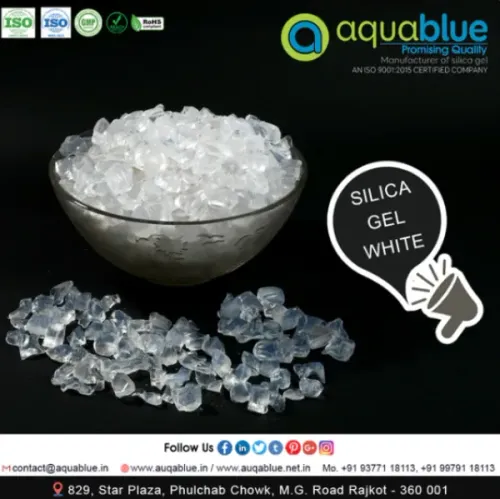
Silica gel is a highly porous form of silicon dioxide. Think of it as a sponge made of tiny, solid beads. It pulls water from the air and traps it inside its pores. On its own, silica gel is clear, so manufacturers add moisture indicators—special dyes that change color when the beads get saturated.
Orange → Green:
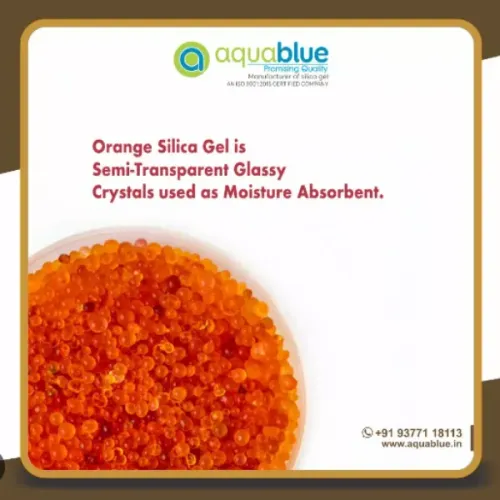
Orange beads are coated with, a dye sensitive to humidity.
Dry: Bright orange.
Moist: The dye’s molecular structure changes, turning the beads green.
These orange-to-green beads are usually labeled non-toxic, which makes them a safe choice for food storage, electronics, and flower preservation.
Blue → Pink:
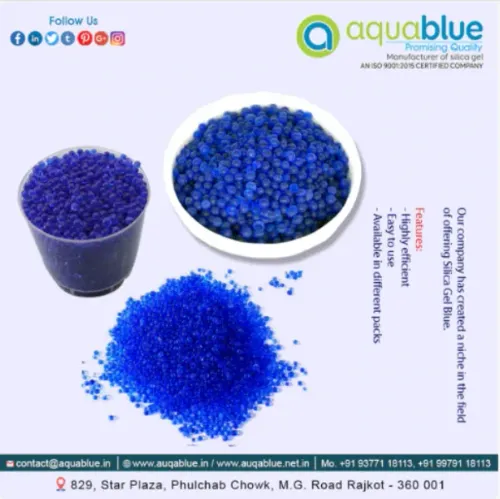
Blue beads get their color from a chemical that reacts strongly to moisture.
Dry:
Moist: Hydration changes its structure, and the beads turn pink.
Cobalt chloride works very well, but it’s considered toxic, so it’s mostly used in industrial or sealed applications—not with anything edible.
Keywords