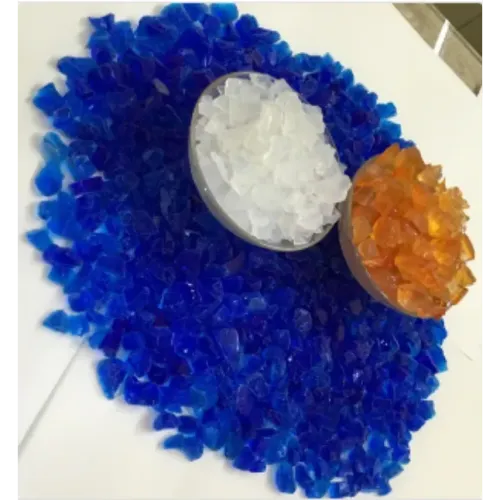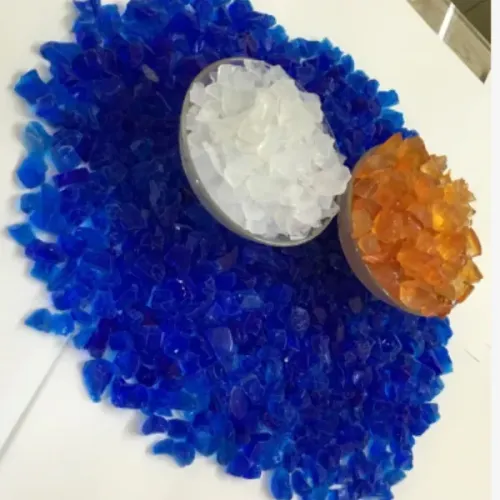
What’s the Difference Between Orange and Blue Indicating Silica Gel?
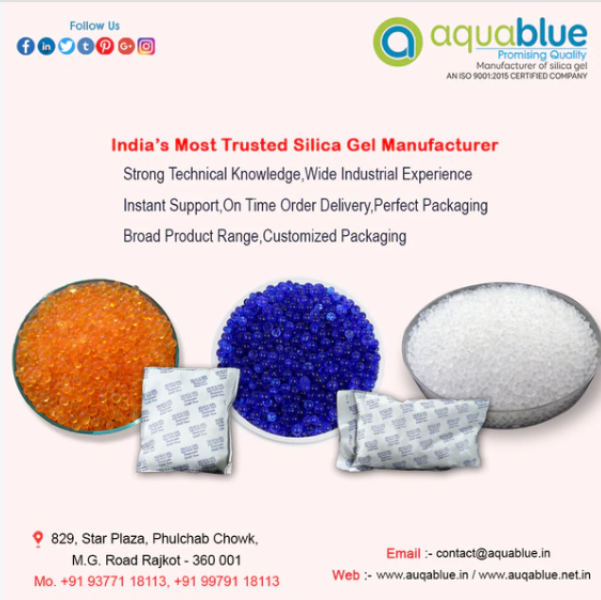
In addition, orange silica gel is a non-toxic, pollution-free desiccant that will meet the needs of environmentally conscious companies. This orange silica gel can be used in many applications where visual control of moisture is required, such as in compressed air dryers, breathers, and for protection of non‐consumable packaged goods, as well as drying and storing flowers and seeds. That said, orange silica gel should not be used in direct contact with products that are intended for consumption, such as food and pharmaceuticals.
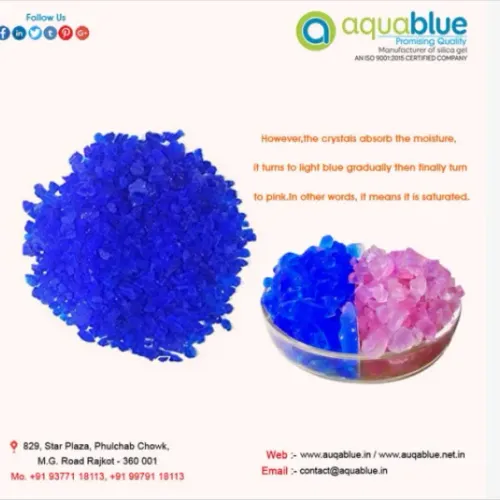
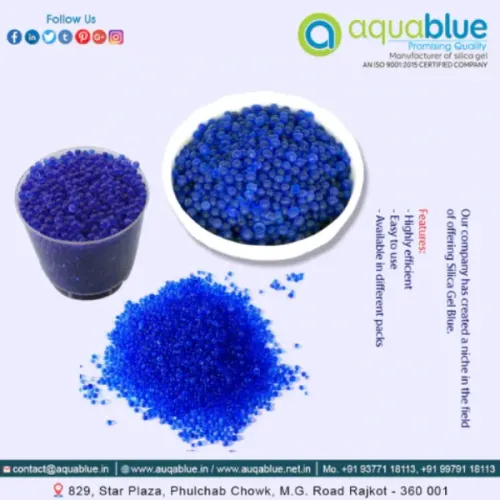
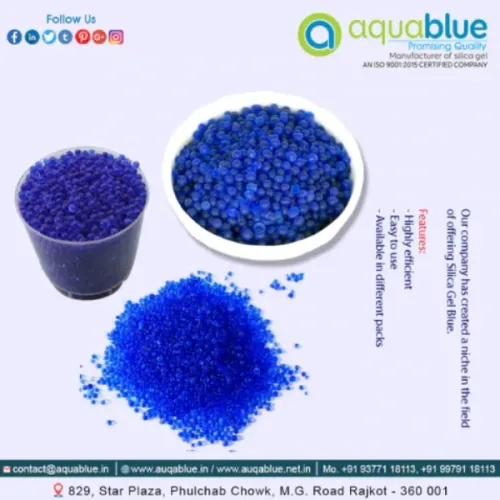
Blue silica gel can be used in many of the same applications as orange silica gel; however, due to the addition of the moisture indicator (cobalt chloride), blue silica gel should not be used in direct contact with products intended for consumption, such as food or pharmaceuticals.
Keywords