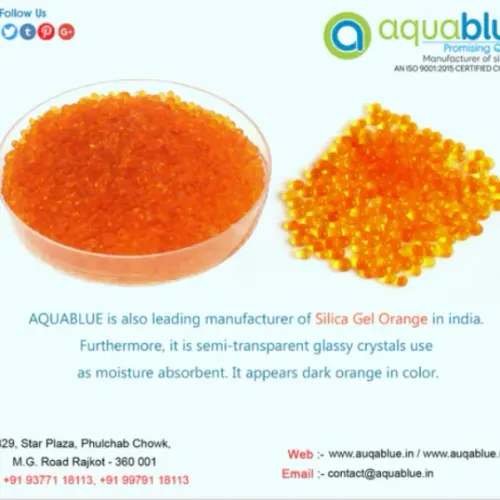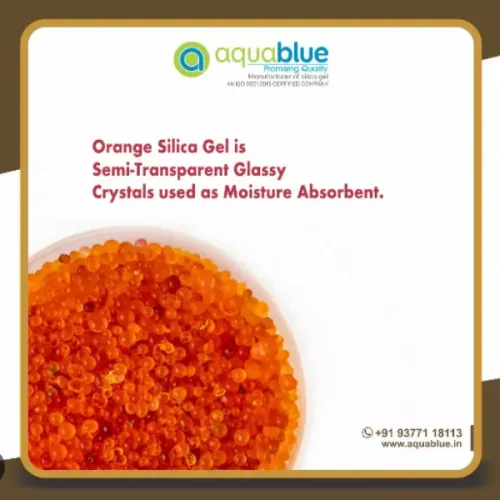


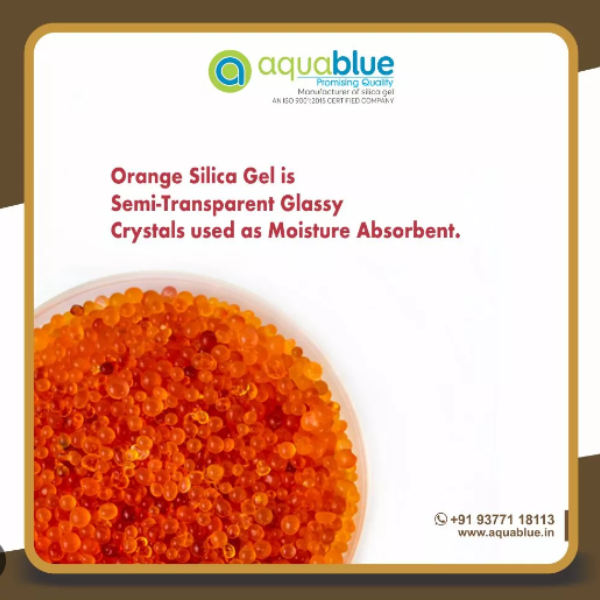
This amorphous state is created by processing silicon dioxide into a gel-like form, which is then dried to form the hard, granular beads known as silica gel orange. The amorphous structure of silica gel is key to its ability to adsorb large amounts of moisture due to irregularities at the molecular level that increase its porosity.
The most notable physical characteristic of silica gel is its high porosity. The material consists of a network of interconnected microscopic pores, which create a vast surface area within a relatively small volume. Typically, silica gel has a surface area of approximately 800 square meters per gram, allowing it to adsorb substantial amounts of water vapor.
These pores are not uniform but vary widely in size, affecting adsorption dynamics. This variation allows silica gel orange to adsorb molecules of different sizes, from water vapor to larger organic compounds. The size and distribution of the pores can be manipulated during the manufacturing process to create types of silica gel orange optimized for specific applications, such as fine-pored silica gels orange for adsorbing smaller molecules or wide-pored gels for larger molecules.